
Niacinamide has become one of the most talked-about ingredients in modern skincare, and for good reason. If you’ve ever looked at the back of a serum or moisturizer bottle and seen this name, you might have wondered what it actually does—and whether it’s worth the hype.
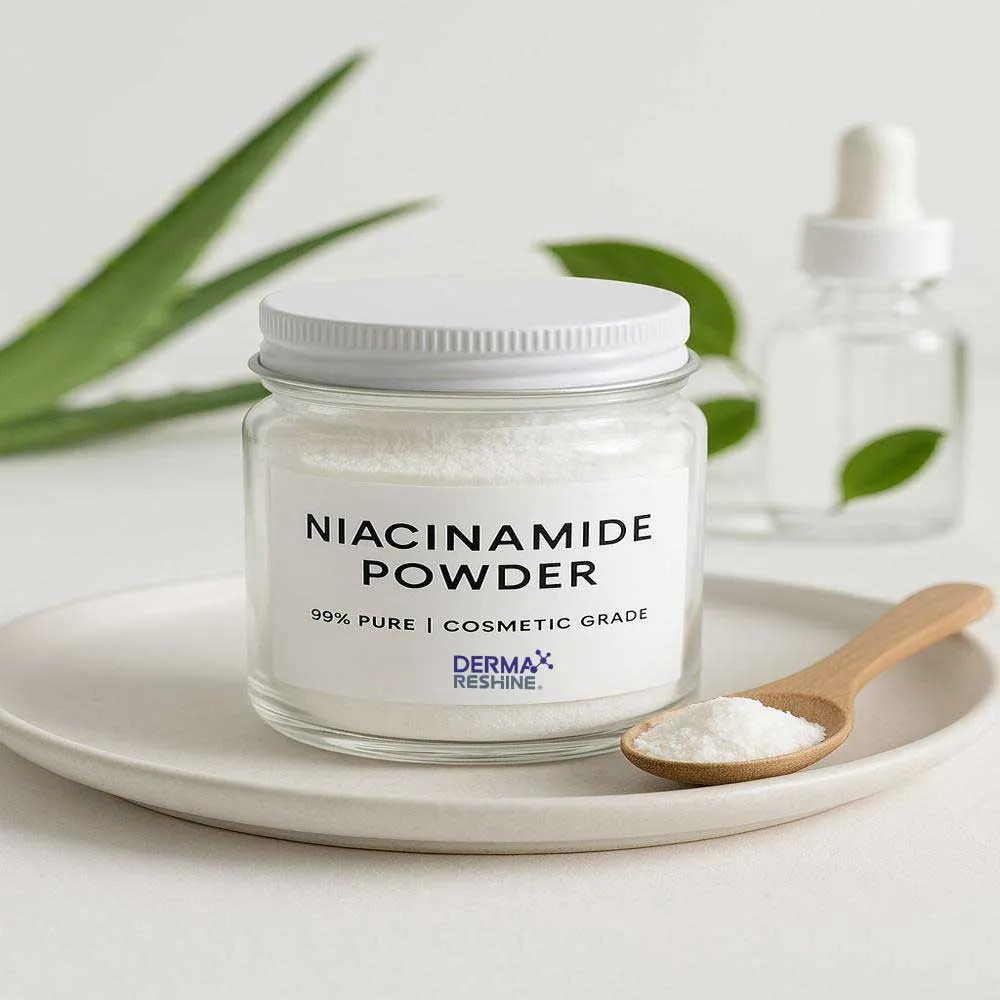
In simple terms, niacinamide is a form of vitamin B3, a water-soluble nutrient that plays an important role in maintaining healthy skin. But in skincare, it goes far beyond basic nutrition. It has become a multitasking active ingredient used for everything from acne control to anti-aging support.
Let’s break it down in a clear, practical way.
What Is Niacinamide?
Niacinamide is a biologically active form of vitamin B3. When applied topically, it works with the skin’s natural chemistry to support barrier function, reduce inflammation, and improve overall texture.
Unlike some aggressive active ingredients, niacinamide is generally well-tolerated, which is why it shows up in serums, moisturizers, toners, and even cleansers.
Key Benefits of Niacinamide for Skin
1. Strengthens the Skin Barrier
Your skin barrier is responsible for keeping moisture in and irritants out. Niacinamide helps increase the production of ceramides, which are essential lipids that keep the skin barrier strong and resilient.
A stronger barrier means:
- Less dryness
- Less sensitivity
- Better protection against environmental stress
2. Helps Control Oil and Acne
One of the most popular uses of niacinamide is for oily and acne-prone skin. It helps regulate sebum production without overly drying the skin.
For people dealing with breakouts, this means:
- Fewer clogged pores
- Reduced shine
- Calmer skin over time
Unlike harsh acne treatments, it works gradually and is less likely to irritate.
3. Reduces Redness and Inflammation
Niacinamide has natural anti-inflammatory properties. This makes it helpful for conditions like:
- Acne-related redness
- Rosacea-prone skin
- General irritation or sensitivity
Over time, skin tends to look more even and calm.
4. Improves Uneven Skin Tone and Dark Spots
Niacinamide can help reduce the transfer of pigment within the skin, which gradually fades dark spots and post-acne marks.
It is not a bleaching agent—instead, it works slowly to create a more balanced complexion.
5. Minimizes the Appearance of Pores
While it doesn’t physically shrink pores, niacinamide can make them look smaller by improving elasticity around the pore lining and reducing oil buildup.
6. Supports Anti-Aging Efforts
With regular use, niacinamide can help reduce fine lines and improve skin firmness by supporting collagen production and reducing oxidative stress.
It’s often paired with retinol or peptides in anti-aging routines.

Who Should Use Niacinamide?
Niacinamide is suitable for almost all skin types:
- Oily skin → helps regulate sebum
- Dry skin → strengthens moisture barrier
- Sensitive skin → reduces irritation
- Combination skin → balances both oil and dryness
- Acne-prone skin → helps reduce breakouts
Its versatility is one of the main reasons it has become a staple in skincare routines worldwide.
How to Use Niacinamide in Your Routine
Niacinamide is flexible and easy to incorporate.
You’ll typically find it in:
- Serums (most concentrated form)
- Moisturizers
- Toners
Suggested usage:
- Apply after cleansing and before moisturizing
- Can be used both morning and night
- Works well with sunscreen during daytime use
It also pairs well with most ingredients, including:
- Hyaluronic acid
- Retinol
- Vitamin C (modern formulations make this combination stable)
Common Myths About Niacinamide
Myth 1: “It only works for oily skin”
False. While it’s popular for oil control, it benefits dry and sensitive skin just as much.
Myth 2: “You’ll see instant results”
Not quite. Like most effective skincare ingredients, niacinamide works gradually. Visible improvements often take 2–8 weeks.
Myth 3: “It can’t be used with other actives”
Outdated belief. Modern formulations are stable, and niacinamide is widely compatible.
Possible Side Effects
Niacinamide is generally safe, but in rare cases, high concentrations (10% or more) may cause:
- Mild flushing
- Temporary irritation
- Slight tingling
Most people tolerate 2%–5% concentrations very well.
Niacinamide is not a trendy “miracle” ingredient—it’s a well-researched, stable, and practical active that fits into almost any skincare routine. Its ability to address multiple concerns at once—oil control, redness, uneven tone, and barrier repair—makes it one of the most reliable ingredients available today.
If you’re building a simple yet effective skincare routine, niacinamide is one of the easiest and safest places to start.