
SCCS Safety Evaluation of Beta‑arbutin
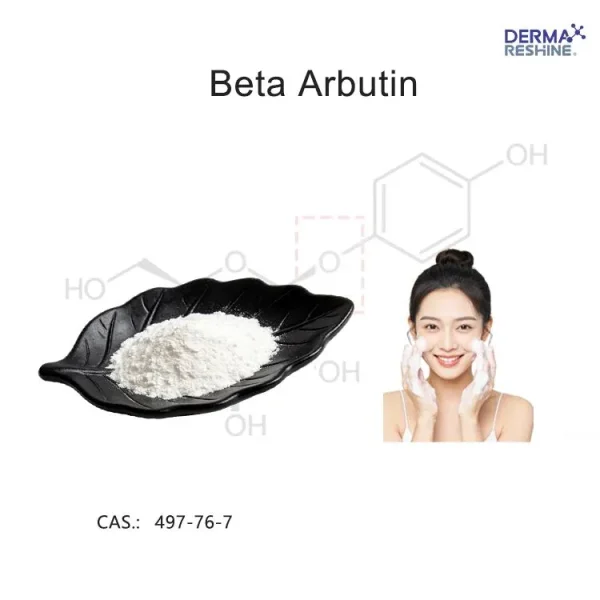
According to the Scientific Committee on Consumer Safety (SCCS) of the European Commission, Beta‑Arbutin is considered safe for use in cosmetic products at concentrations up to 7% in face creams.
Reference: Please click here to view the official SCCS safety report.
Derma Reshine Beta-arbutin
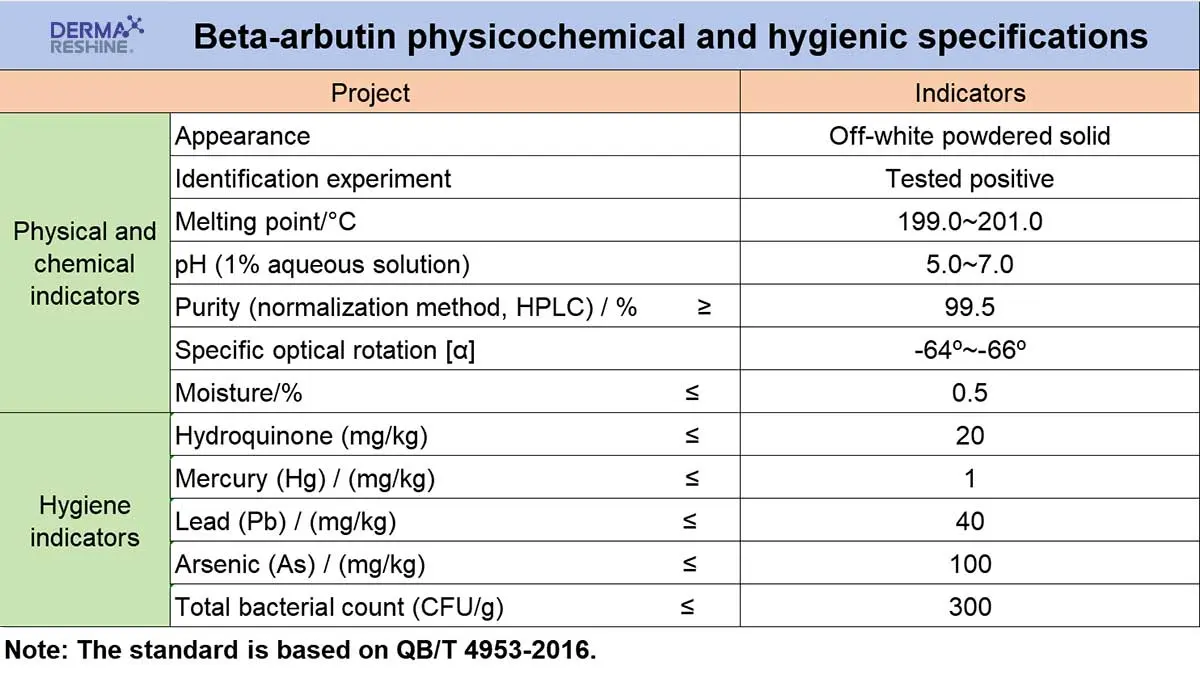
1.physicochemical and hygienic specifications
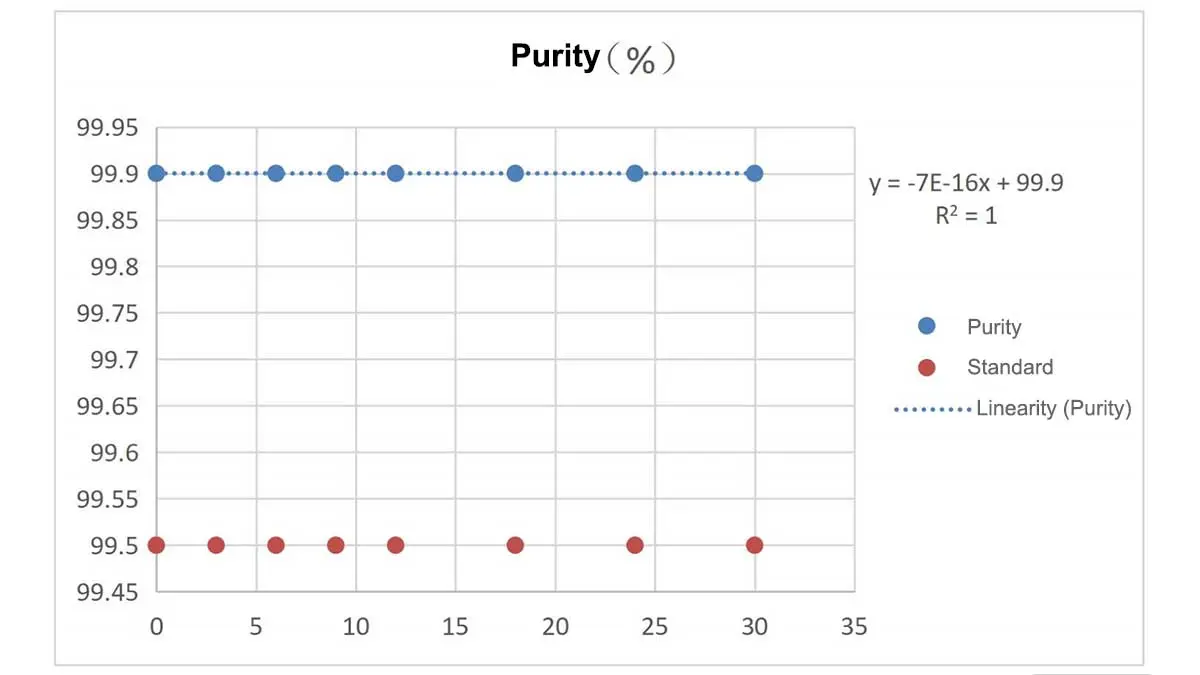
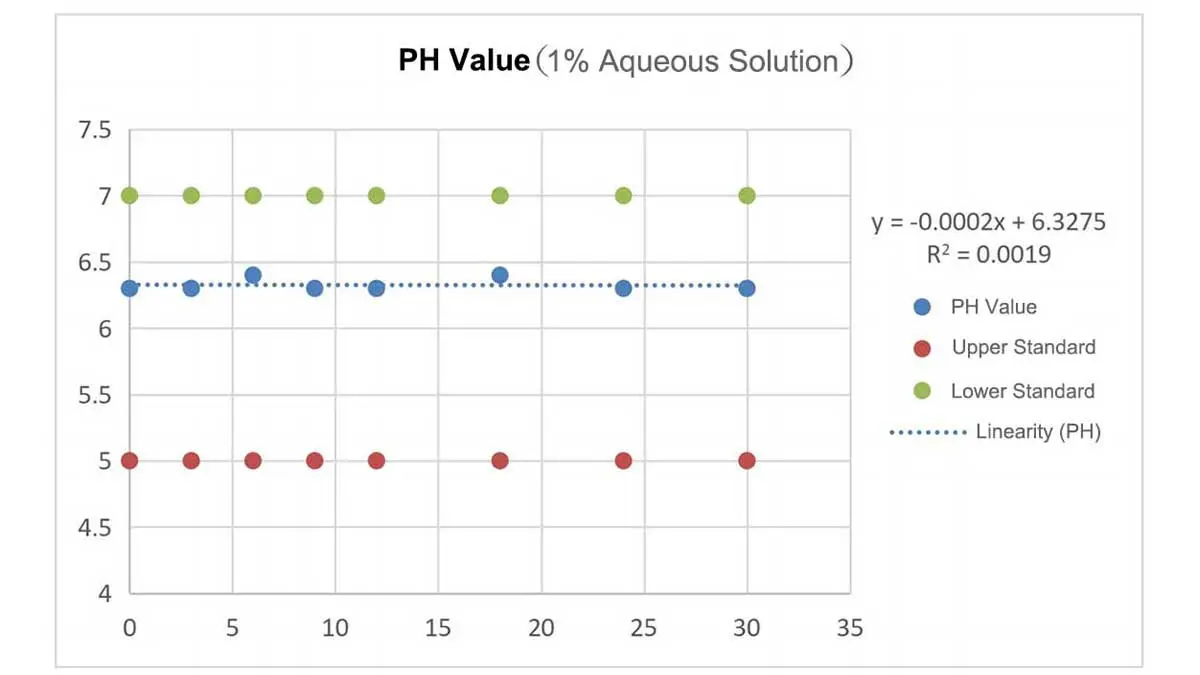
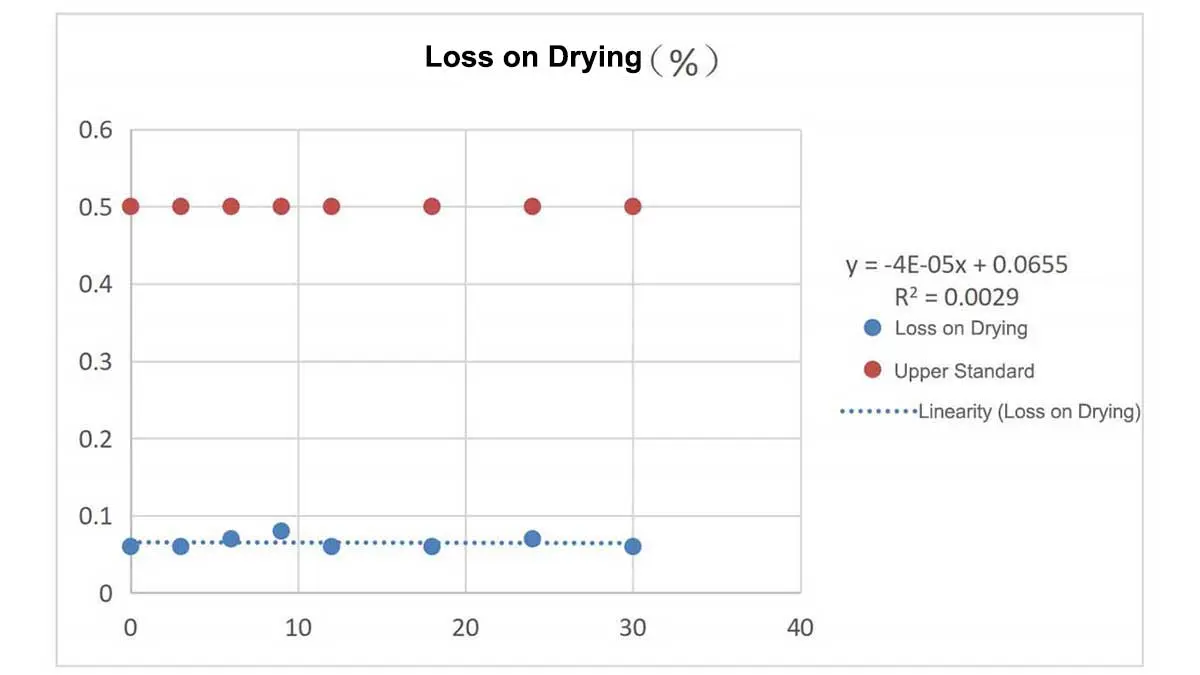
2.Stability test
3.Hydroquinone Spectrum Analysis
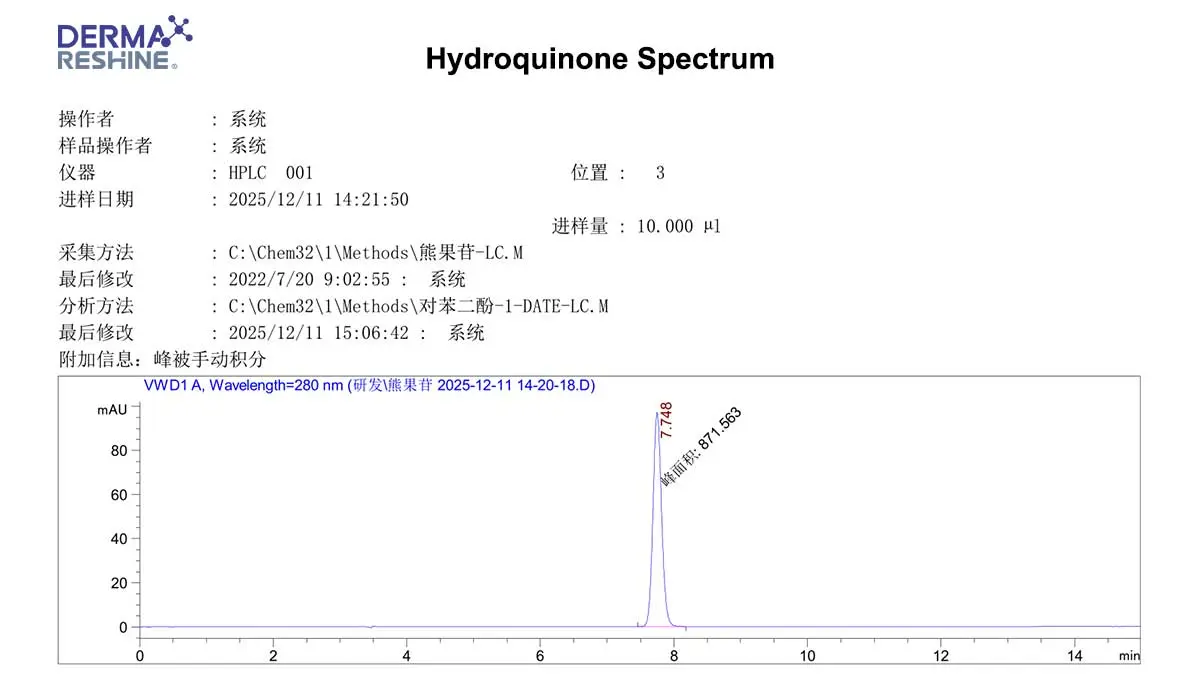
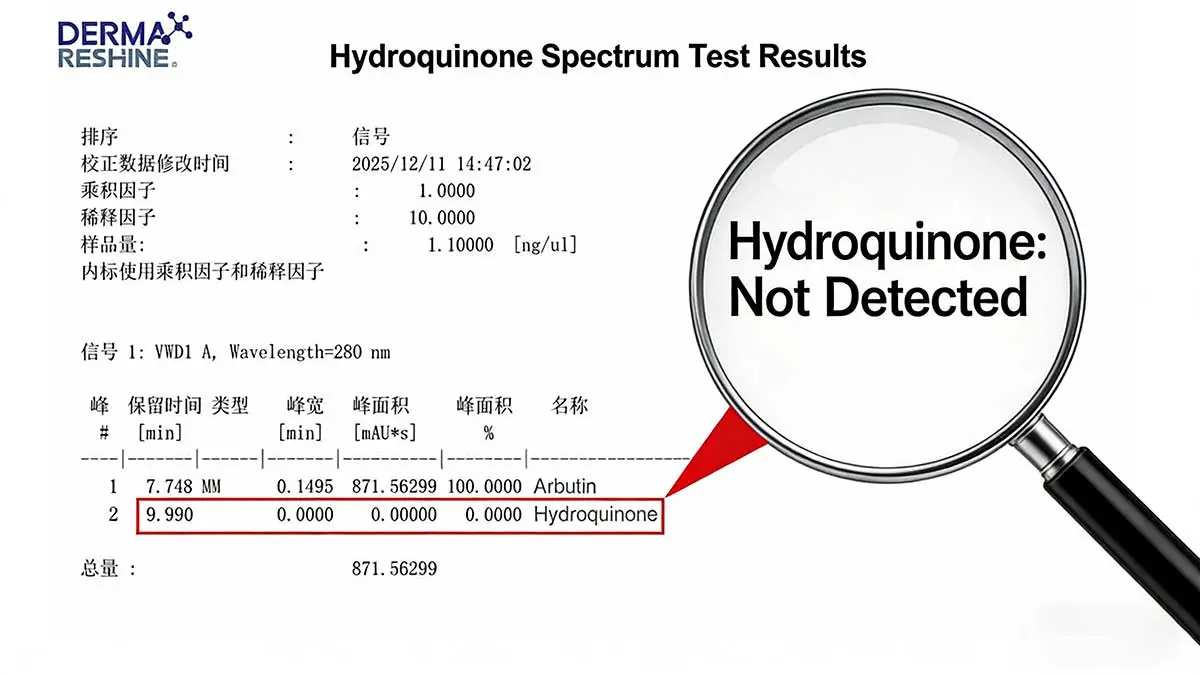
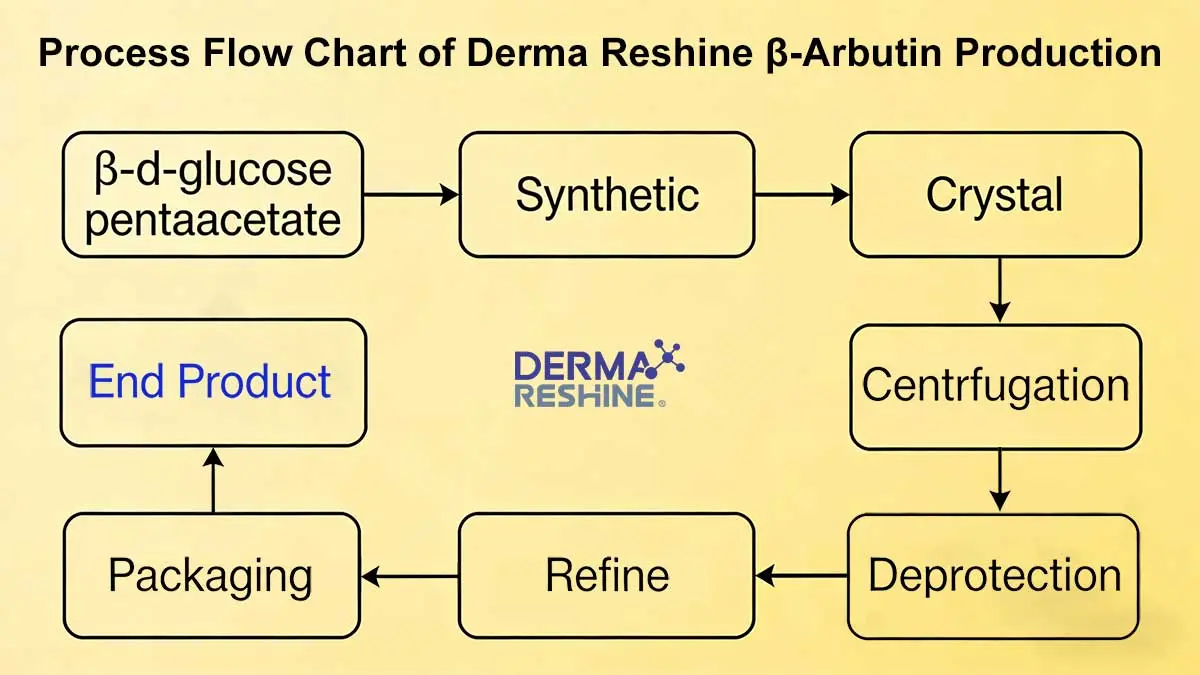
4.Production process
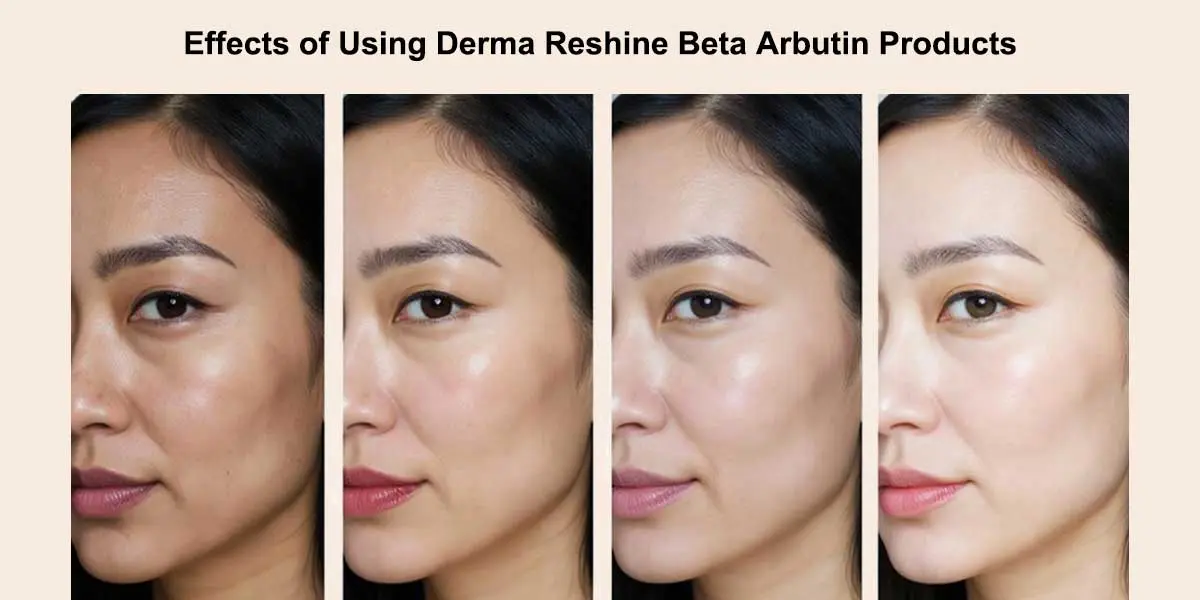
5.Usage effect
What is the difference between beta arbutin and alpha arbutin?
| Product Name | Beta Arbutin | Alpha Arbutin |
|---|---|---|
| Traits | White crystalline powder | White crystalline powder |
| CAS No. | 497-76-7 | 84380-01-8 |
| INCI Name | Arbutin | Alpha-Arbutin |
| Addition amount | 2%–7% | 0.5%–2% |
| Water-soluble | 100% | 100% |
| Security recommendations | It is not recommended to use this product with highly concentrated acidic ingredients, as this may accelerate hydrolysis and cause irritation. |
|
| Formulation suggestions | Can be combined with soothing ingredients. | It can be used in combination with other whitening ingredients. |
| Market Applications | Mid-range whitening products | High-end whitening products |
| Regulatory compliance | China: Permitted for use, but hydrolysis risks need to be controlled.
European Union: Permitted for use, but must be labeled “May release hydroquinone.” United States: No specific restrictions, but attention should be paid to hydroquinone residue. South Korea: High-concentration formulas must pass irritation tests. |
China’s “Technical Specifications for Cosmetic Safety”: No restrictions on the amount of added ingredients.
EU Regulation EC 1223/2009: Permitted for use, at a concentration of ≤2%. US FDA: Listed in the TSCA inventory, no restrictions. South Korean KFDA: Approved for use in whitening cosmetics, at a concentration of ≤2%. |
marie laura –
i got what i needed thanks to their understanding of what their costumers wanted made sure to get it right
Saeda Shalhout –
The package arrived very fast.the aftersales service has been great too. The price is very reasonable.
K –
Very good business relationship delivery fast and accurate quality excelent service
wenola Pontgerard –
Arrived on time with fast delivery, packaging is simple but functional. The product quality is average, service is good enough. Satisfied for the price I paid.
Gladys –
Really informative overview of cosmetic beta arbutin. Great to learn about its brightening benefits for sensitive skin formulas.
Noemi –
As a supplement OEM manufacturer, this article perfectly explains the evolution of high-performance anti-aging raw materials. It helps our team plan new product lines more reasonably.
Kim –
Joyce is amazing to deal with. Easy, professional and extremely helpfull. I received great service and an amazing final product fully customised to my specifications. Joyce is a gem, he kept on checking up on delivery, he is really the best. My choice of supplier. Recommend 100%
belma –
Very smooth communication and kind explanation. Thanks.
Mirwais –
Perfect and authentic deoxyarbutin. Some buyers will send you fake acrives but Joyce always ship the real ones. You can purchase with him with closed eyes.
luciana –